 Study Architecture
  ProPEL


The ACSA Board of Directors is pleased to announce the results of the 2021 ACSA Election:
Second Vice President: Mo Zell
At-Large Director: Catherine Hamel
At-Large Director: Kwesi Daniels
They will be joined by Shannon Defranza (Roger Williams University / AIAS) as the incoming ACSA Student Director.
Congratulations to all of the new board members.
Below is information on the 2021 ACSA election, including candidate information. Official ballots were emailed to all full-member ACSA schools’ Faculty Councilors, who are the voting representatives. Faculty Councilors must complete the online ballot by close of business, February 12, 2021.
+ Download a single PDF of all candidates’ statements & short curriculum vitae
The Second Vice President serves on the Board for a four-year term, beginning on July 1, 2021, with the first year served as Second Vice President, the second year served as First Vice President/President-Elect, the third year served as President, and the fourth year served as Past President. The links below include campaign statements written by each candidate and short curriculum vitae.
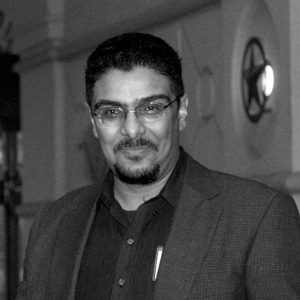 |  | |
| Hazem Rashed-Ali University of Texas at San Antonio | Mo Zell University of Wisconsin, Milwaukee | |
The At-Large Directors serve for a three-year term, beginning on July 1, 2021. At-Large Directors serve as voting members of the Board. In addition, they have the following roles and responsibilities: (A) Liaison with Member Schools, including participating in organized business meetings; maintaining contact with Faculty Councilors and others associated with member schools; assisting member schools upon request; advising candidate or affiliated schools; and advising the Board of issues and concerns raised by members; (B) Contributing to the Work of the Board through actively serving on Board committees and contributing to collective deliberations; and (C) Performing other duties, as provided by the Rules of the Board of Directors or requested by the Board. The links below include campaign statements written by each candidate and short curriculum vitae.
 |  | |
| Kwesi Daniels Tuskegee University | Vincent Hui Ryerson University | |
 |  | |
| Diogo Burnay Dalhousie University | Catherine Hamel University of Calgary | |
ACSA Bylaws, Article VIII. Nominations, Elections, and Recall, Section 3: Election Process: “Elections shall be held in accordance with the Rules of the Board of Directors. Faculty Councilors of member schools shall be responsible for encouraging colleagues to express their views regarding candidates for Association elections, and shall submit the vote of the member school they represent on behalf of all members of the faculty. The Association shall announce the results of elections and appointments as soon as feasible, consistent with the Rules of the Board of Directors.”
The Faculty Councilor from each ACSA full-member school is the voting representative. Faculty Councilors must complete the online ballot by close of business, February 12, 2021.
+ Download a single PDF of all candidates’ statements & short curriculum vitae
January 13, 2021 Ballots emailed to all full-member schools, Faculty Councilors*
February 12, 2021 Deadline for receipt of completed online ballots
March 2021 Winners introduced at ACSA Annual Business Meeting
* The Faculty Councilor from each ACSA full-member school is the voting representative and must complete the online ballot by close of business, February 12, 2021.
Michelle Sturges
Membership Manager
202-785-2324
msturges@acsa-arch.org
Kennesaw State University professor Liz Martin-Malikian was recently named Educator of the Year at the American Institute of Architecture Students (AIAS) Honor Awards.
Martin-Malikian, thesis coordinator and professor of architecture in KSU’s College of Architecture and Construction Management, was recognized by AIAS for her outstanding contribution to the education of architecture students, the impact she has made on the education of architecture students and for championing the virtues of excellence in architecture and the environment to the general public. The award also honors educators who align with the AIAS mission to “advance leadership, design and service among architecture students.”
“This award confirms what we already knew about Liz – that she is a first-rate educator who embodies KSU’s value of putting students first,” said Andrew Payne, dean of the College of Architecture and Construction Management. “We are privileged to have her among the faculty in the Department of Architecture, and I’m sure many more accolades will come her way in the future.”
Martin-Malikian has taught at the University since 2006 and has since become the thesis coordinator of the architecture department’s advanced core sequence, one of the few programs nationwide that requires students to pursue thesis projects while earning an architecture degree. Aside from her involvement with thesis sequences, Martin-Malikian teaches courses on environmental technology, materials and methods, third-year studios and urban design. She taught in Auburn University’s School of Architecture, Planning and Landscape Architecture as the Paul Rudolph Visiting Professor of Practice prior to arriving at Kennesaw State.
See Kennesaw State University News Link HERE
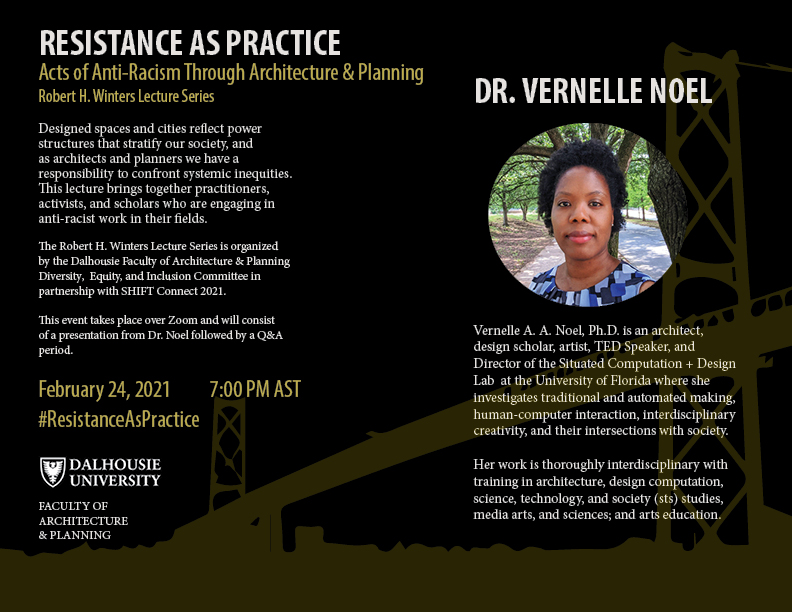
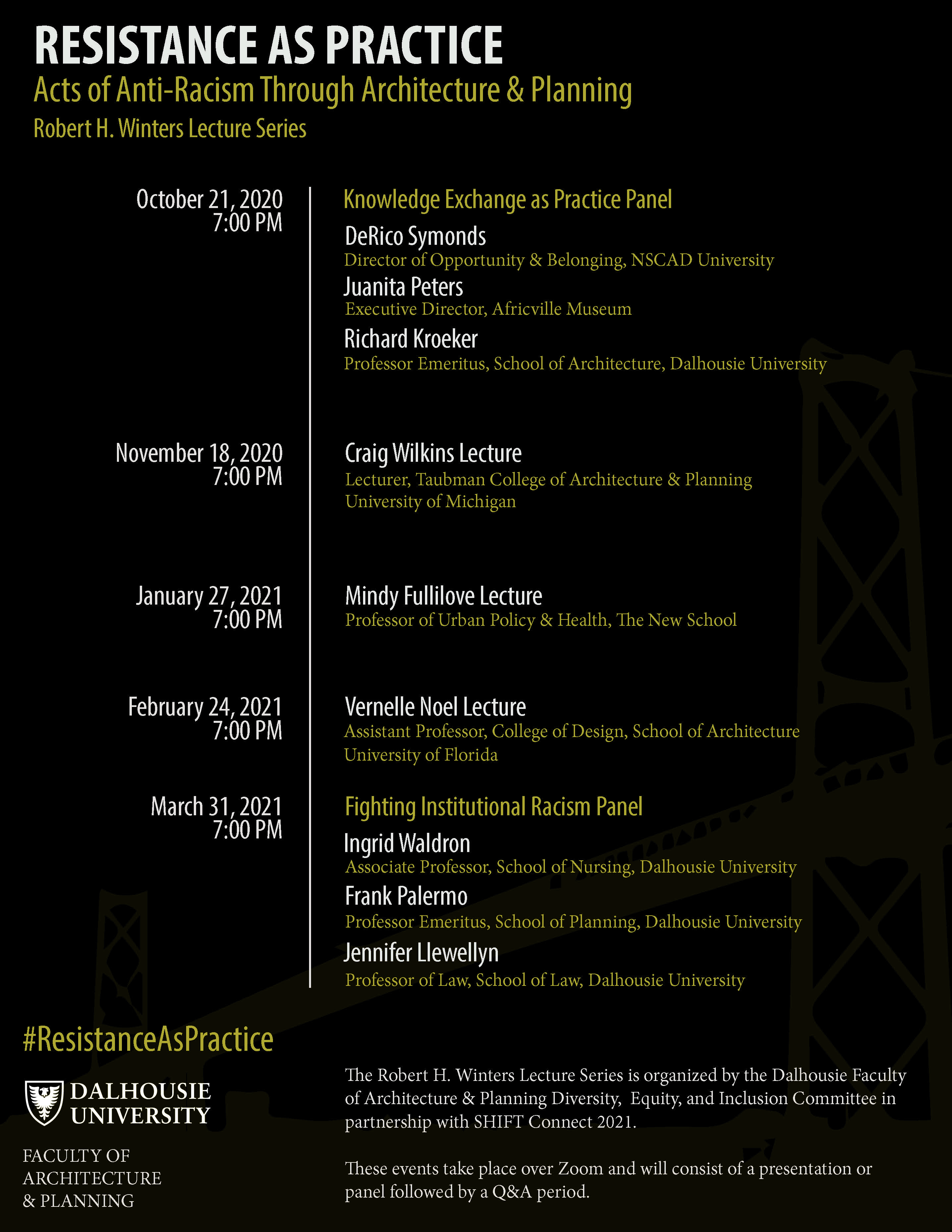
We are happy to invite you to the Robert H. Winters lecture series Resistance as Practice: Acts of Anti-Racism through Architecture and Planning! The event is hosted by the Dalhousie University Faculty of Architecture and Planning’s Equity, Diversity and Inclusion Committee, in partnership with the SHIFT: Connect conference. Our next event will be on Wednesday, February 25th at 7pm AST, and will be a lecture by Dr. Vernelle Noel. Noel is an architect, design scholar, artist, TED speaker and the director of the Situated Computation + Design Lab at the University of Florida. Through this work she challenges narratives that have excluded traditional ways of making by incorporating them into the practices of automated making, investigating human-computer interaction, interdisciplinary creativity and intersections of these practices with society. Please see the attached announcement for more details on the panelists and the event, and register through Eventbright here.
The series will extend into March of 2021, and featured architects, planners, scholars and activists whose work focuses on anti-racism on scales local to Halifax, in other Canadian contexts, and internationally. We will end with a panel on institutional barriers to anti-racist work featuring Frank Palermo, Jennifer Llewelyn, and Ingrid Waldron.
We are organizing this series at a critical moment for architects, planners and other disciplines grappling with difficult histories and professional cultures. This means questioning how designed spaces are embedded with power structures that stratify our society, and how practitioners are implicated in this. Just as importantly, we must acknowledge that this is not a new conversation or area of analysis: racialized communities have developed their own planning and design practices in cities when they have not been heard by the faces of power. This lecture series builds on the ongoing powerful response to racialized violence by presenting the work of practitioners, academics and activists who have pursued these acts of anti-racism as a central focus of their work.
We hope that you’ll join us, and stay tuned for information on events in the rest of the series!
Eventbrite link: https://www.eventbrite.
In Solidarity,
The Equity, Diversity and Inclusion Committee
Dalhousie University Faculty of Architecture and Planning
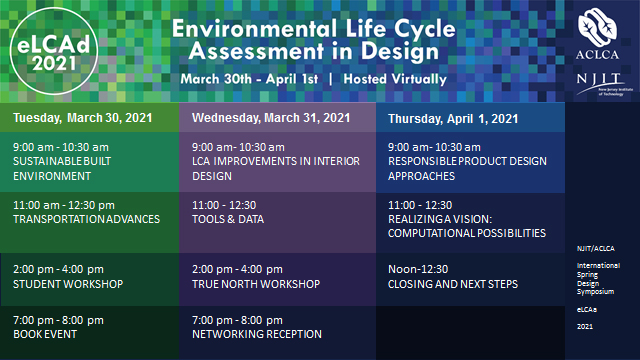
Organized and sponsored by the New Jersey Institute of Technology and the American Center for Life Cycle Assessment
Truly sustainable design is increasingly driven by a steady stream of reliable data. What was once a field that relied almost completely on heuristics, sustainable design now leverages computationally guided workflows in conjunction with robust databases. How does this data-driven approach to sustainability liberate design where appearance is now decoupled from substance?
The designer’s primary job is to present compelling synthetic solutions that meet people’s needs. Good design, at every scale, stirs emotions while satisfying multiple utilitarian requirements. At this point in human evolution, however, it is necessary – and possible – to do more. Environmental life cycle assessment (LCA) provides a fact-based scientific approach to evaluate design decisions. It is grounded in a deep understanding of the environmental impacts associated with human-directed natural resource flows and the industrial processes that transform them. Tracking current human impacts on the ecosphere in increasingly detailed ways is critical to reducing and even reversing the negative environmental effects of providing for a global population of nearly 8 billion people.
This inaugural symposium unites these two parallel but separate cultures engaged in dynamic systems thinking. It will explore areas of common cause and mission in two sectors: building and transportation. Through three half days of presentations and working sessions, we will come together to define current and future opportunities brought about through leaps in computational power that promise to augment and improve sustainable design processes at multiple scales.
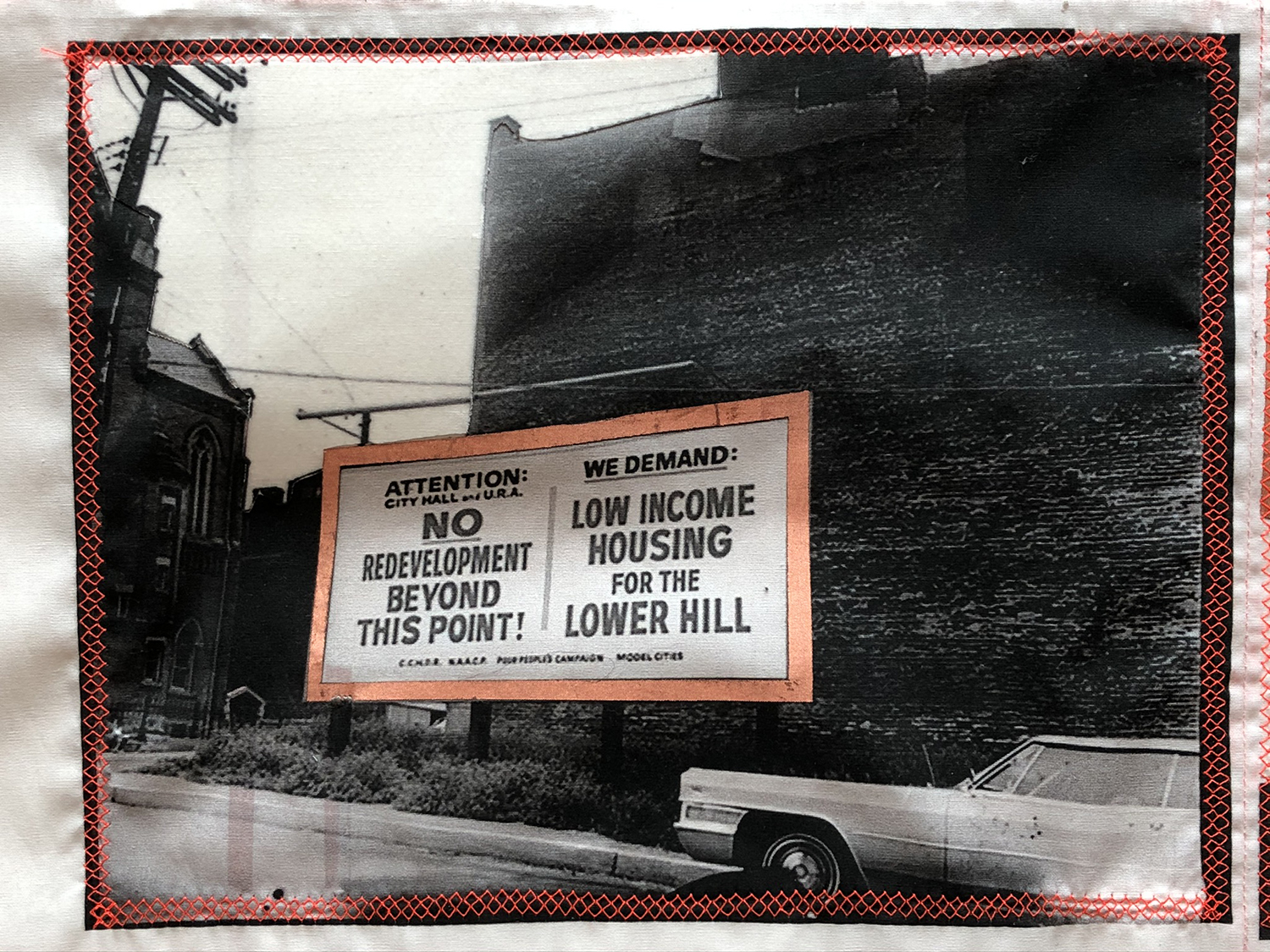
UNIVERSTY PARK, Pa. — Felecia Davis, an associate professor of architecture in the Stuckeman School at Penn State who has gained widespread recognition for her work designing lightweight textiles that change properties in response to their environment, is one of 10 architects, designers and artists who will be featured in an upcoming Museum of Modern Art (MoMA) exhibition that examines contemporary architecture in the context of how systemic racism has fostered violent histories of discrimination and injustice in the United States.
“Reconstructions: Architecture and Blackness in America,” which has been described by organizers as “an investigation into the intersections of architecture, blackness and anti-black racism in the American context,” will run Feb. 20 through the end of May. Its original opening date in October was postponed due to the coronavirus.
The exhibition features a series of 10 newly commissioned works that, according to MoMA will “explore how people have mobilized black cultural spaces, forms and practices as sites of imagination, liberation, resistance and refusal.” It is the fourth iteration of the museum’s “Issues in Contemporary Architecture” series, which was launched in 2010.
Davis, who is the Carey Memorial Early Career Professor in the Arts and director of the Computational Textiles Lab (SOFTLAB) in the Stuckeman Center for Design Computing, is developing textile systems for use in architecture that can sense and respond to the world around them through digital electronic programing and sensors. These systems can also be programmed by using the natural transformative quality of the material itself in connection with environmental cues, such as humidity, temperature and light.
The purpose of the textile systems – or “architextiles,” as they are referred to – is to use the responsiveness and sensual qualities of the material to communicate information or, in other words, to tell a story. An example of these systems are soft walls that elicit emotions from people in a space or to help a person who is not in touch with their emotions be able to communicate to a caretaker, doctor or nurse in a nonverbal way.
The 10 artists, designers and architects featured by MoMA – Emanuel Admassu, Germane Barnes, Sekou Cooke, J. Yolande Daniels, Mario Gooden, Walter Hood, Olalekan Jeyifous, V. Mitch McEwen, Amanda Williams, along with Davis – have been giving virtual lectures together at universities and institutions around the nation on issues surrounding racial injustice and Black history since the fall. “The Black Reconstruction Collective,” as the group is known, will be hosted by the Department of Architecture in partnership with Stuckeman School and WPSU at 6 p.m. on March 24 as part of the school’s Spring Virtual Lecture Series.
More information about the show can be found on the MoMA website.

Associate Professor Margaret Fletcher Named Ann and Batey Gresham Chair of Architecture
Associate Professor and Associate Program Chair of Architecture, Margaret Fletcher has been named the Ann and Batey Gresham Professor of Architecture. Established in 1999 by Nashville architect Batey Gresham (BArch ’57) and his wife Ann, this endowed professorship was designed to provide financial support to outstanding faculty who exhibit a strong commitment to quality instruction, research and service, and who thus “strengthen and enhance the architecture program.”
An innovative educator who consistently brings emerging technologies and methods to her teaching, Fletcher is a practicing architect and artist in addition to her role as faculty at Auburn’s School of Architecture, Planning and Landscape Architecture (APLA). Fletcher is also the author of multiple volumes illustrating her expertise and innovations in graphic communication and representation; in 2016 Fletcher published Constructing the Persuasive Portfolio; The Only Primer You’ll Ever Need, followed by Visual Communication for Architects and Designers: Constructing the Persuasive Presentation in September 2020. Most recently, Architectural Styles: A Visual Guide was released in November 2020.


Spring Lecture Series: Bryan C Lee Jr
The Boston Architectural College invites you to join us for Power + Place, a virtual public lecture by Bryan C. Lee Jr on Wednesday, February 10 at 6:00PM EST.
Power + Place explores the privilege and power structures that have defined injustice in the built environment from America’s inception. We will look at the history of the design justice movement and how the theory of practice continually advocates for the dismantling of power ecosystems that use architecture and design to create injustice throughout the built environment.
Like all institutions, design imposes its power through policies, procedures, and practice and is subject to its own inherited biases. The lasting permanence of our professional decisions requires us to pay particular attention to the injustices that result from our work and to seek design justice wherever possible. Architecture has the power to speak to the language of the people it serves. We as designers are at our best when we are willing to serve the people without power.
Founded in 1912 by 10 charter members, ACSA is an international association of architecture schools preparing future architects, designers, and change agents. Our membership includes all of the accredited professional degree programs in the United States and Canada, as well as international schools and 2- and 4-year programs. Together ACSA schools represent some 7,000 faculty educating more than 40,000 students.
Enter your name and email below, and we’ll send you the latest ACSA news and events.
© Copyright 2026 ACSA