 Study Architecture
  ProPEL
 Op-Ed
The Association of Collegiate Schools of Architecture (ACSA) and the ACSA Research + Scholarship Committee, in partnership with The OpEd Project, established this extended training opportunity for faculty to expand the impact of their research and scholarship beyond the academy. ACSA partnered with The OpEd Project to provide training and guidance on externalization strategies.
This page features the op-eds written by the ACSA Academy for Public Scholarship on the Built Environment members that, to-date, have been published in local, regional, or national publications. Each article provides a platform for architecture faculty to engage in public discourse. Due to the evolving nature of publishing, along with the current political climate, some of the op-eds are still being developed. This page will be updated periodically, as articles are published.


The 2025 Cohort: Housing Equity

EDWARD PALKA
Columbia University
Eddie Palka is an architect and Adjunct Assistant Professor at both Columbia University and City College of New York. In this op-ed for Next City, he urges New York politicians to revitalize the Mitchell-Lama program to promote affordable homeownership. Mitchell-Lama 2.0, he argues, will create a path for working families and families of color to build wealth and stability. Palka urges the government to fund these programs and support a future where homeownership is accessible.

In this opinion piece for City Limits, Palka underlines New York City’s High Housing Cost Adjustment (HHCA) as a systematic barrier to affordable housing. He provides a comprehensive overview of how HHCA distorts the consideration of affordability in housing programs by skewing income requirements. By sharing this knowledge with readers, Palka advocates for changes that could make affordable housing programs more accessible to working-class New Yorkers.

Palka presents a solution to New York City’s rent stabilization system in his op-ed for Vital City. He argues against a one-increase-or-freeze-fits-all approach to rent-stabilized housing, highlighting the pros and cons of this method. Palka advocates tying rent increases to building conditions, with differential rent guidelines restoring accountability. He urges city leaders to move toward a system that recognizes differences in both building quality and financial circumstances.

The 2024 Cohort: Climate Action
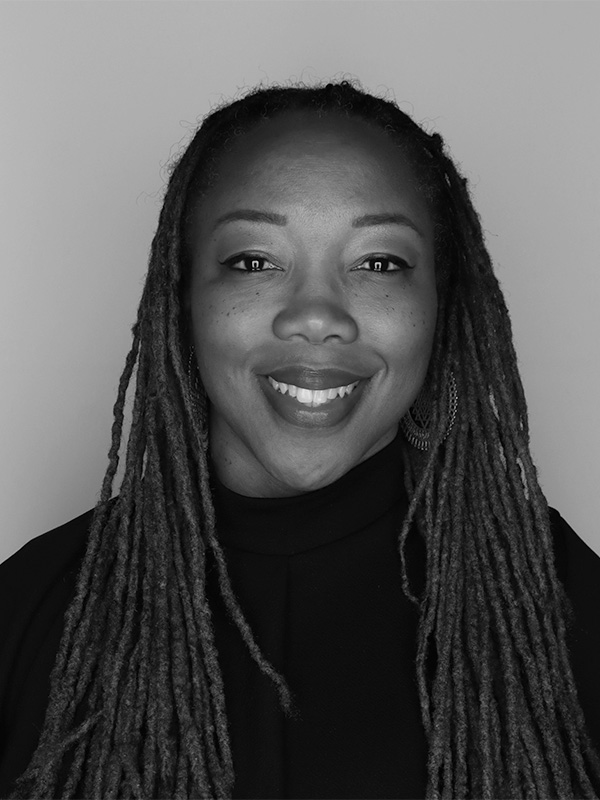
IFEOMA EBO
City College of New York
Ifeoma Ebo is a Nigerian-American, Brooklyn-based transdisciplinary designer. Ebo is Principal of Creative Urban Alchemy, an award-winning studio working at the intersection of art, architecture, urban design, and planning, centering cultural heritage in praxis. In her article for AIA New York State’s quarterly publication, she details her work with GrowHouseNYC and the Flatbush African Burial Ground (FABG). By bringing together marginalized community members, FABG serves as a model for community preservation and climate action. Ebo uses FABG’s work to demonstrate how community organizations and local government can holistically mitigate the effects of climate change and address environmental racism.

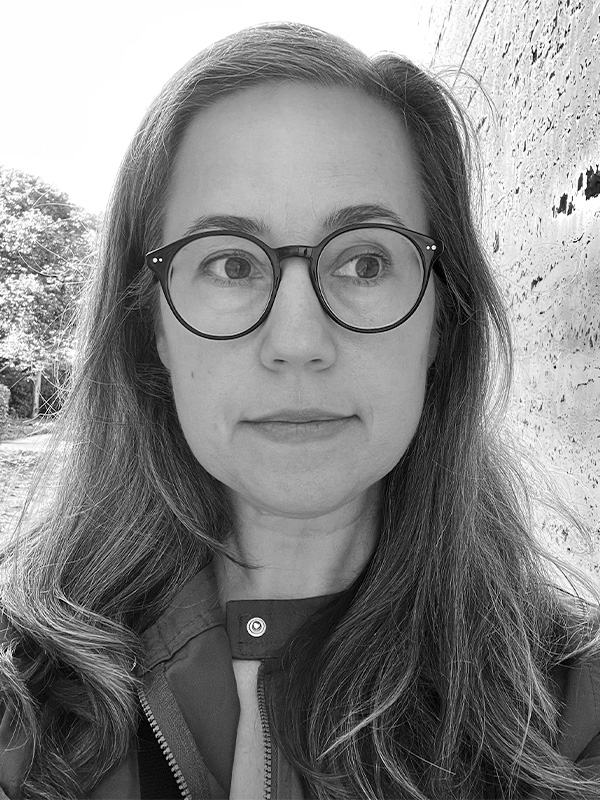
SARAH GAMBLE
University of Florida
Sarah Gamble is an architect and educator with a focus on the sustainability and resilience of communities at multiple scales. In a column for the Tampa Bay Times, she advocates for safe, walkable public spaces. Gamble highlights the current pedestrian dangers impacting Florida, along with examples of metropolitan areas that embrace walkability and safety — including Tampa’s Riverwalk. She urges readers to work alongside their elected officials and city governments to reimagine the state’s streets for walkability and multi-modal transportation, allowing for choice and safety for all Floridians.


SARAH BOLIVAR
University of Tennessee
In her article for Knoxville News, Sarah Bolivar presents the city of Knoxville with an opportunity to reimage playgrounds as shared community spaces. With her insights as a landscape architect, Bolivar shares three key suggestions: open public schoolyards to the greater public by incorporating clear signage, “shared-use agreements,” and open-ended play structures; create safer streets by investing in tree-shaded sidewalks, energy-efficient cooling or misting stations, and safer pedestrian streets; and finally, build bioswale initiatives that will merge stormwater capture and play.


CEARA O’LEARY
University of Detroit Mercy
As a community-engaged architect and planner with experience addressing climate issues at the local level and working alongside residents to elevate community voices, Ceara O’Leary offers community-led solutions as an approach to drive policy and infrastructure for climate strategies that support neighborhood health and resilience. O’Leary cites a green stormwater infrastructure envisioned by community leaders on Detroit’s east side and a network of resilience hubs created for climate emergencies as evidence that community engagement in infrastructure planning and climate response is crucial for cities to build equitable systems and policies that work.


JAMES WASLEY
University of Wisconsin-Milwaukeee
James Wasley celebrates Milwaukee’s 50-year effort to restore and clean up its rivers and harbor. He highlights the Dredge Materials Management Facility, a new build that promises to eliminate over one million cubic yards of toxic sediment — removing Milwaukee from the national list of toxic hotspots. Wasley proposes adapting the facility into an educational and civic space. As the Water Policy Fellow at UWM’s School of Freshwater Sciences, he offers his expertise on how public rationale can be used to ensure that the space honors the city’s restoration of its waterways.

The Academy for Public Scholarship on the Built Environment reflects the work of the ACSA Research and Scholarship Committee, who have been charged to expand the impact of scholarship on the built environments.




Founded in 1912 by 10 charter members, ACSA is an international association of architecture schools preparing future architects, designers, and change agents. Our membership includes all of the accredited professional degree programs in the United States and Canada, as well as international schools and 2- and 4-year programs. Together ACSA schools represent some 7,000 faculty educating more than 40,000 students.
Stay in Touch
Enter your name and email below, and we’ll send you the latest ACSA news and events.
Fill out my online form.
© Copyright 2026 ACSA